Ruby
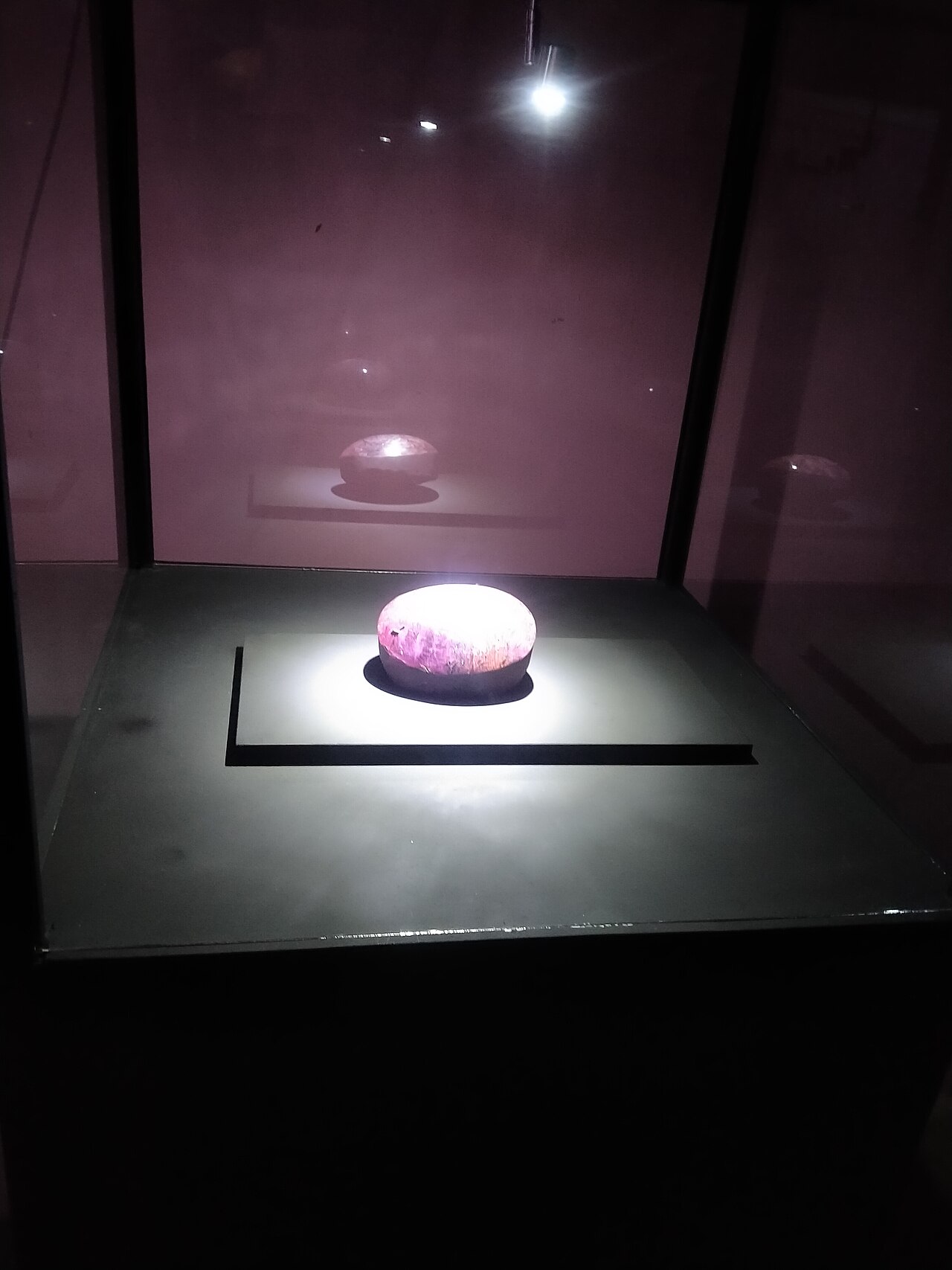
A durable red corundum gem, cardinal among traditional jewelry stones.

TheMaharlikan · CC0
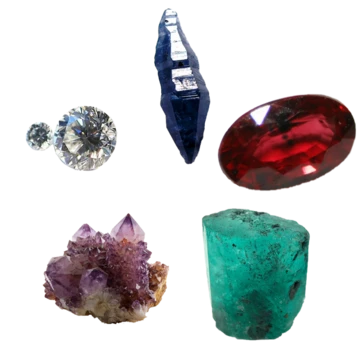
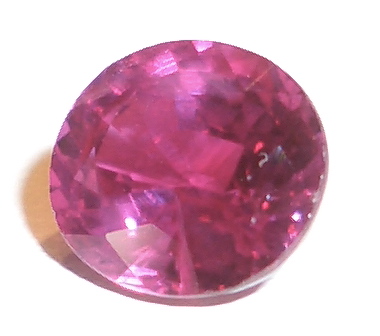
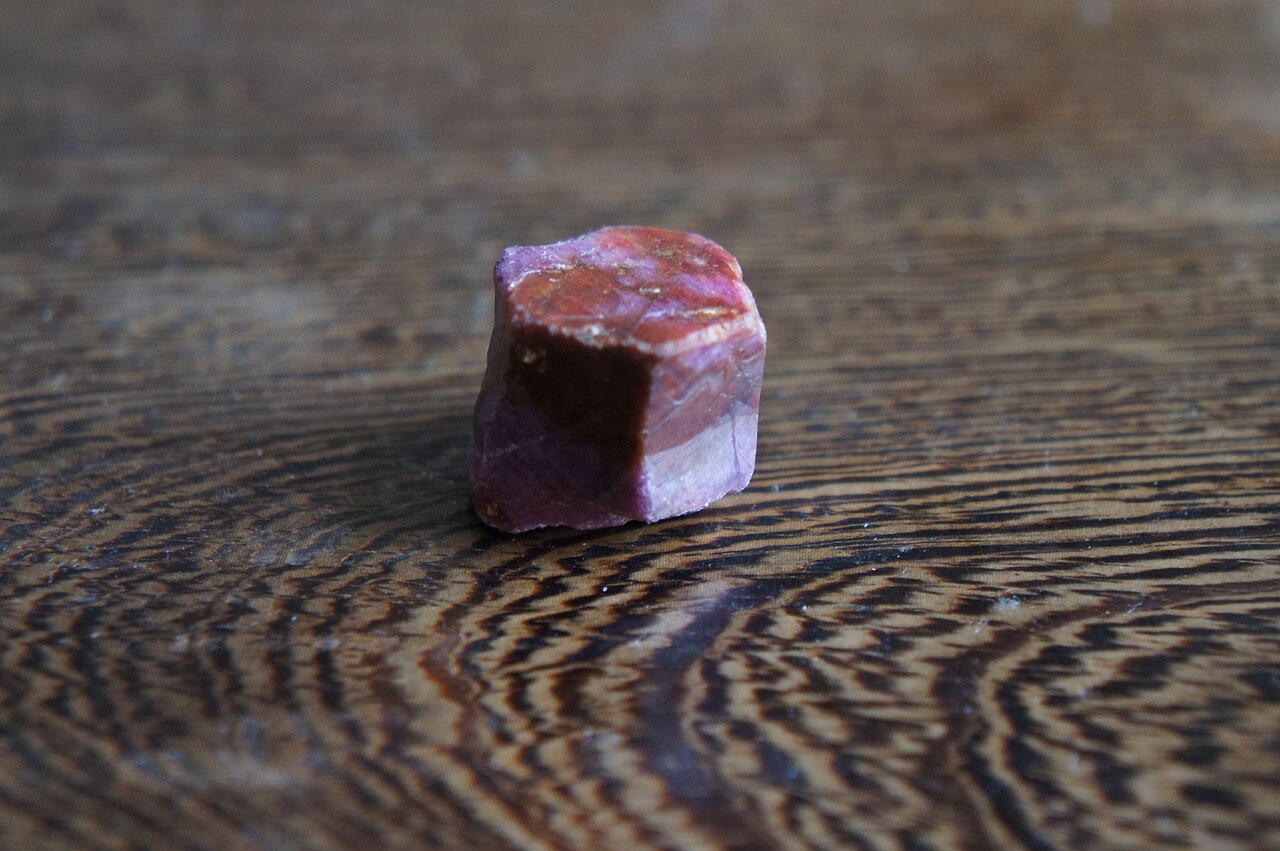
Ruby is a pinkish-red to blood-red-colored gemstone, a variety of the mineral corundum, consisting of aluminium oxide (α-Al2O3). It is one of the most popular traditional jewelry gems and is very durable. Ruby is one of the traditional cardinal gems, alongside sapphire, emerald, and diamond. The word ruby comes from ruber, Latin for red, and its color is due to the presence of chromium.
- hardness
- 9.0 on Mohs scale
- chemical_formula
- α-Al2O3 with chromium impurities
- traditional_birthstone
- July
- most_valuable_auction_sale
- Sunrise Ruby, US$30.42 million
- primary_modern_source
- Mozambique (Montepuez mine)
Lore & Background
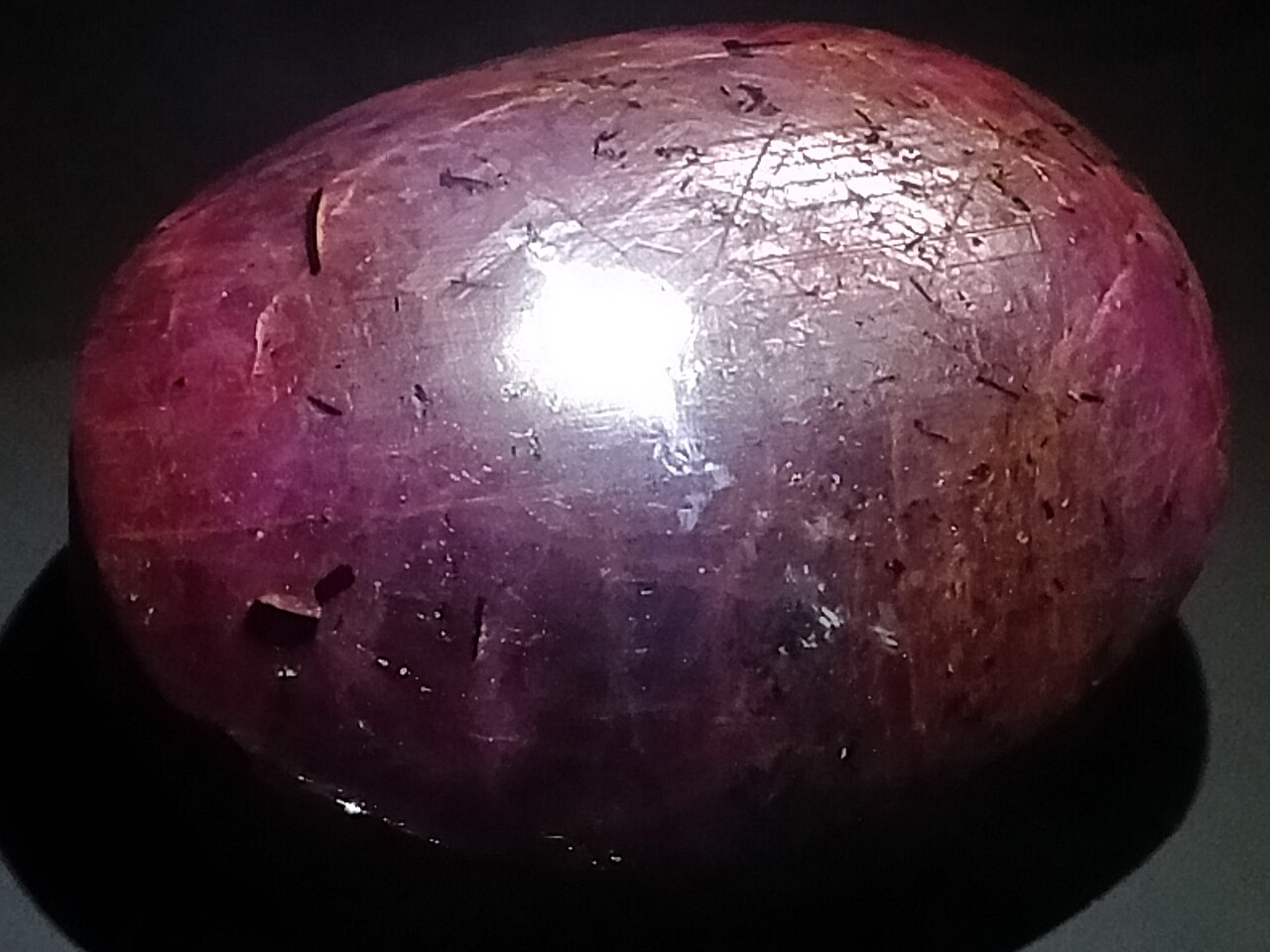
Ruby's color arises when chromium atoms replace occasional aluminium ions in the corundum crystal lattice, distorting the octahedral arrangement and causing absorption in ultraviolet, violet, and yellow-green regions. If about one percent of aluminium ions are replaced, the yellow-green absorption results in a red color. All natural rubies have imperfections, including color impurities and inclusions of rutile needles known as 'silk,' which gemologists use to distinguish natural stones from synthetics or simulants.
Reader's Guide
Ruby's significance stems from its historical status as a cardinal gem and its enduring popularity in jewelry. Its value is determined by the four Cs—color, cut, clarity, and carat weight—with color being the most important factor. The brightest and most valuable shade, called blood-red or pigeon blood, commands a large premium. Clarity is also critical: a clear stone commands a premium, but a ruby without needle-like rutile inclusions may indicate treatment. Almost all rubies today are heat-treated, and untreated high-quality rubies command a large premium. Rubies can display asterism (a star effect) when cut as cabochons, and such inclusions can increase value. The distinction between ruby and pink sapphire is relatively new and can be debated, with some trade organizations adopting a broader definition that includes lighter shades.
Did You Know?
- Some gemstones historically called rubies, such as the Black Prince's Ruby, are actually spinels.
- Rubies have a hardness of 9.0 on the Mohs scale; diamond is the only common natural gem harder than ruby.
- The world's most valuable ruby sold at auction is the Sunrise Ruby, which sold for US$30.42 million.
Common Misconceptions (Editorial)
Some gemstones historically called rubies, such as the Black Prince's Ruby, are actually spinels. Another common misconception is that rubies are flawless; in fact, all natural rubies have imperfections, including color impurities and inclusions of rutile needles known as "silk."
Why It Matters (Editorial)
Ruby endures as one of the traditional cardinal gems, prized not only for its striking red color but also for its remarkable hardness—9.0 on the Mohs scale, second only to diamond. Its rarity and durability have made it a symbol of passion and power for centuries, while modern sources like the Montepuez mine in Mozambique continue to supply this coveted stone to the global market.
Gallery


More in Gemstones 1-22
Spotted an error? Know more?
This is a living reference — every entry is fact-audited, and reader corrections feed straight into our audit queue. Suggest an edit · See this site's audit record